The Poolside Rule That Kept Generations of Kids Out of the Water — And Had Almost No Science Behind It
The Poolside Rule That Kept Generations of Kids Out of the Water — And Had Almost No Science Behind It
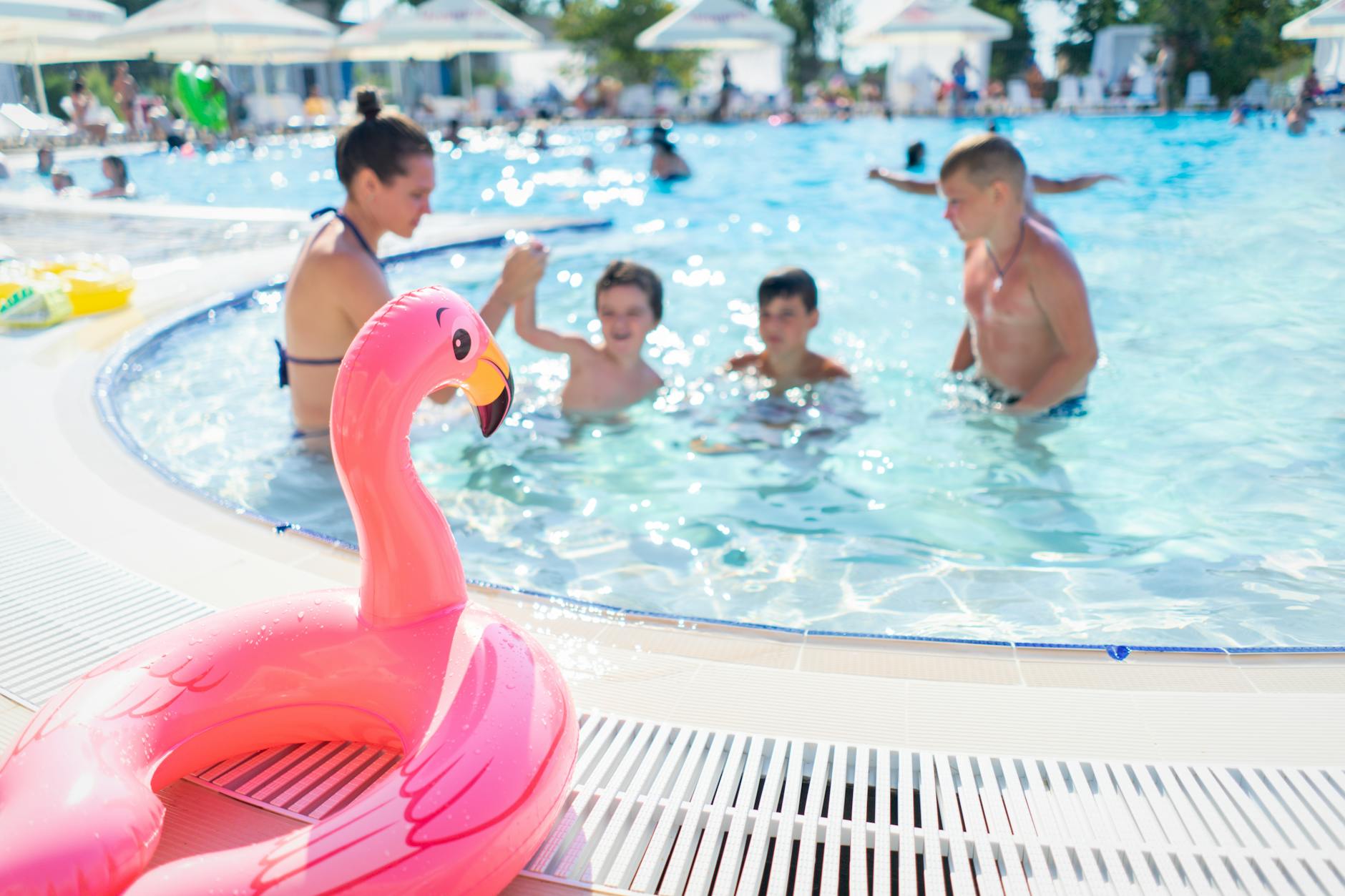
Picture a summer afternoon at a backyard pool or a community swim club somewhere in the 1980s or 90s. Lunch is over. You're ready to get back in the water. And then comes the voice — calm, final, non-negotiable: "You have to wait 30 minutes."
No explanation was usually offered, because none seemed necessary. Everybody knew why. You'd get cramps. You'd be in danger. The implication, delivered with the quiet confidence of someone who clearly knew better, was that the combination of food and swimming was genuinely hazardous. Some kids absorbed it as near-medical fact. Many carried it into adulthood.
As it turns out, the science behind this poolside commandment is a lot thinner than the rule's reputation would suggest.
The Kernel of Truth That Started Everything
To be fair to the parents and camp counselors who enforced this rule, the underlying physiology isn't entirely made up. When you eat a meal, your body does redirect blood flow toward the digestive system to help process food. The stomach and intestines get more circulation. In theory, if you then engage in vigorous exercise, your muscles are also demanding increased blood flow — and there's a question of whether those competing demands could cause problems.
The concern about swimming specifically was that muscle cramps, caused by this supposed blood-flow competition, could be dangerous in the water in a way they wouldn't be on land. That's the logic. It sounds reasonable on the surface, which is exactly why it spread so effectively.
The problem is that the human body's circulatory system is considerably more adaptable than this picture implies. Your heart doesn't simply run out of blood to distribute. It increases output. Blood flow gets prioritized dynamically based on demand, and for most healthy people doing moderate activity, the system manages both digestion and exertion without crisis.
What the Research Actually Found
No major medical organization currently recommends a mandatory waiting period after eating before swimming. The American Red Cross, which has more reason than most to take aquatic safety seriously, doesn't list post-meal swimming as a drowning risk factor. The research simply hasn't supported the idea that eating before a swim creates meaningful physical danger for healthy individuals.
Stomach cramps during exercise are real — many swimmers and runners have experienced the uncomfortable side stitch that can come from eating too much before physical activity. But a side stitch is not the same as a life-threatening emergency. It's uncomfortable. It might slow you down. It doesn't typically cause someone to go under.
Studies looking at competitive swimmers — people who train intensively and often eat strategically around their workouts — have found that moderate food intake before training doesn't produce the kind of cramping the poolside myth warned about. Elite athletes eat before they compete. Their coaches don't make them wait half an hour on the pool deck.
The distinction that matters is between casual recreational swimming and extremely intense exertion on a very full stomach. The latter might genuinely cause some discomfort. The former — splashing around with cousins at a Fourth of July cookout — is unlikely to produce anything worse than a minor ache.
How Cautious Advice Becomes Unquestioned Law
What makes the swimming myth worth examining isn't just that it's wrong — it's how it got so entrenched. This is a pattern worth recognizing because it shows up in a lot of places.
Cautious parental advice, when delivered with enough conviction, has a way of accumulating authority over time. Adults don't usually say "I think it might be slightly inadvisable to swim right after eating." They say "You have to wait 30 minutes" — because a firm rule is easier to enforce with a child than a nuanced discussion of hemodynamics. The simplification is understandable. But the simplified version is what gets remembered and passed on.
Repetition does the rest. When every adult at every pool enforces the same rule, it stops feeling like one person's opinion and starts feeling like consensus. Kids grow up, become parents, and enforce the rule themselves — not because they looked it up, but because it's simply what you do. The rule becomes cultural infrastructure.
This is how a lot of health myths survive: not through any central authority promoting them, but through the quiet, distributed confidence of people who heard it from someone they trusted and never had a reason to check.
What's Worth Being Careful About
None of this means you should eat a massive Thanksgiving-sized meal and immediately attempt competitive laps. Heavy eating before any vigorous exercise — running, cycling, intense swimming — can cause real discomfort and probably isn't a great idea regardless of the activity. Staying aware of how your body feels is always reasonable.
For children at a pool, the actual risk factors for water safety are well-documented: lack of supervision, inability to swim, absence of barriers around residential pools, and not wearing life jackets in open water. The timing of a hot dog relative to a cannonball is not on that list.
Think Again
The 30-minute rule is a small but satisfying example of how social confidence can do the work that scientific evidence never actually did. It persisted across generations not because anyone proved it was true, but because nobody had a reason to question something that sounded so certain.
Your childhood self, restless on the pool steps while everyone else was already in the water, was probably fine to go in. And if you've been enforcing the rule with your own kids — well, now you have a better conversation to start.