That 'Natural' Label on Your Cereal Box Is Marketing Magic — Not Science
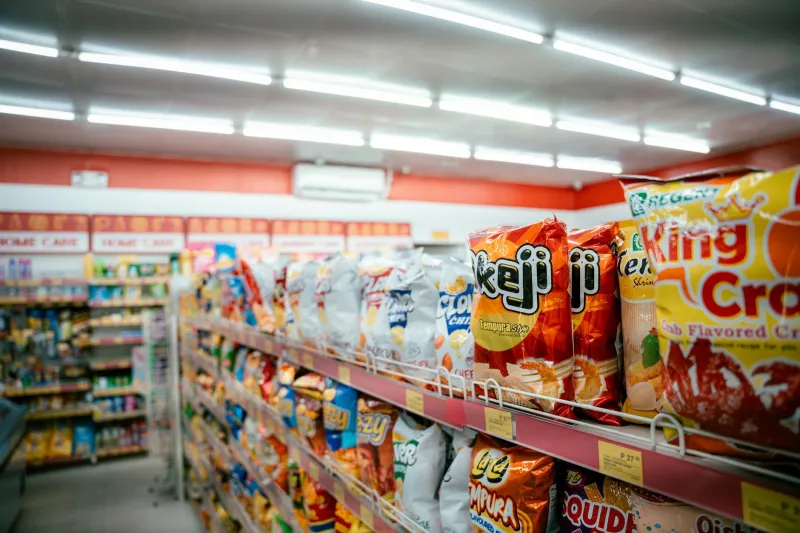
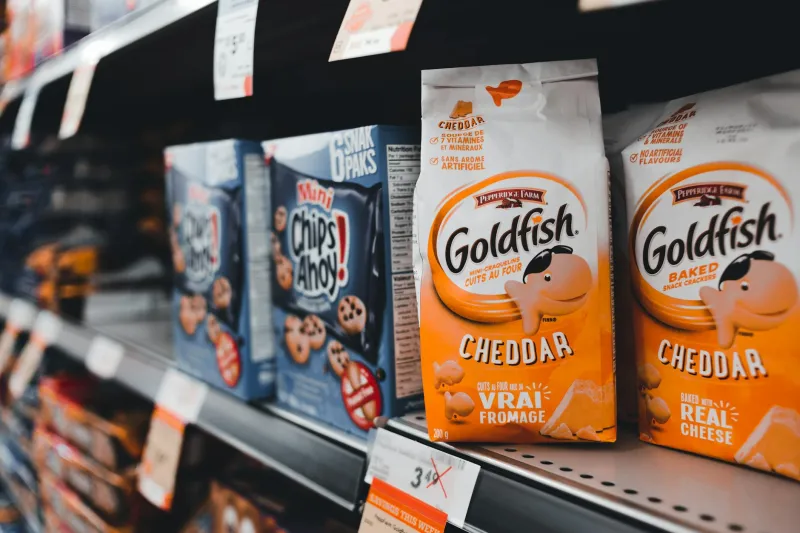
Walk down any grocery aisle and you'll spot it everywhere: the word "natural" splashed across packages of everything from breakfast cereals to frozen burritos. If you're like most Americans, you probably assume that label means something significant — that the food inside is minimally processed, free of artificial ingredients, or somehow closer to what nature intended.
Here's what might surprise you: the FDA has never formally defined what "natural" means on food packaging. Despite appearing on roughly 60% of all packaged foods in American supermarkets, "natural" remains one of the most powerful yet completely unregulated terms in the grocery business.
The Marketing Power of an Undefined Word
Consumer surveys consistently show that shoppers will pay 15-20% more for products labeled "natural," often choosing them over identical products without the label. Food manufacturers have noticed. The natural and organic food market has exploded from $3 billion in 1997 to over $50 billion today, with "natural" products leading much of that growth.
But here's the kicker: a product labeled "natural" can legally contain high fructose corn syrup, artificial flavors, chemical preservatives, and ingredients processed in ways that would make a chemistry professor's head spin. The only FDA guidance on "natural" comes from a decades-old policy statement suggesting it means "nothing artificial or synthetic has been included in, or has been added to, a food that would not normally be expected to be in that food."
That vague language leaves massive room for interpretation — and food companies have driven trucks through those loopholes.
How We Got Here: The Rise of Natural Marketing
The "natural" trend took off in the 1970s and 80s as Americans became increasingly concerned about artificial additives and processed foods. Food manufacturers, recognizing a marketing goldmine, began slapping "natural" on products faster than regulators could keep up.
Unlike "organic," which requires strict USDA certification and regular inspections, "natural" became a free-for-all. Companies could use it based on their own interpretation of what seemed natural to them. Some applied it to products with one natural ingredient among dozens of artificial ones. Others used it for foods that started with natural ingredients but underwent extensive chemical processing.
The FDA received thousands of consumer complaints and petitions requesting clearer definitions, but the agency repeatedly declined to establish formal standards. Their reasoning? The term had become so widespread and varied in its usage that creating a single definition would be nearly impossible.
What Food Scientists Actually Look For
When food scientists evaluate whether something resembles its natural form, they examine factors the "natural" label completely ignores. They look at processing methods, the number of steps between farm and package, the types of heat and pressure applied, and whether the molecular structure of ingredients has been fundamentally altered.
By these scientific measures, many "natural" products fail spectacularly. Natural vanilla flavoring often comes from wood pulp. Natural strawberry flavoring might be extracted from beaver glands. Natural colors can be created through chemical processes that would seem anything but natural to the average consumer.
Meanwhile, some foods without any "natural" labeling — like plain frozen vegetables or simple canned tomatoes — often undergo minimal processing and retain most of their original nutritional and molecular structure.
The Psychology Behind the Label
Part of the problem lies in how our brains process the word "natural." Psychologists call this the "appeal to nature" fallacy — the assumption that anything natural is automatically better, safer, or healthier than anything artificial or synthetic.
This mental shortcut made sense for our ancestors, who needed to quickly distinguish between safe and dangerous foods in the wild. But in modern grocery stores, it leads us to make purchasing decisions based on marketing rather than actual nutritional content or processing methods.
Food companies understand this psychology perfectly. They've learned that adding "natural" to a label can boost sales more effectively than improving the actual nutritional profile of the product inside.
Reading Between the Lines
So how can you actually evaluate whether a food product is minimally processed or close to its natural form? Food scientists suggest focusing on the ingredient list rather than front-of-package marketing claims.
Look for products with short ingredient lists containing items you recognize and could theoretically buy separately. Check for minimal processing indicators like "whole grain" rather than refined flours, or "no added sugars" rather than multiple types of sweeteners.
Most importantly, remember that truly minimally processed foods — fresh fruits and vegetables, plain nuts, simple dairy products — rarely need to advertise how natural they are. They speak for themselves.
The Bottom Line
The next time you see "natural" on a food package, think of it as marketing language rather than meaningful information about what's inside. That doesn't mean the product is necessarily bad — it just means you'll need to look elsewhere on the package to figure out what you're actually buying.
Until the FDA decides to define "natural" with the same rigor they apply to "organic," the word will continue to mean whatever food manufacturers want it to mean. And that's a reality worth keeping in mind the next time you're deciding whether that "natural" breakfast cereal is worth the extra two dollars.