The Nobel Prize Winner Who Convinced America That Brain Surgery Could Fix Depression
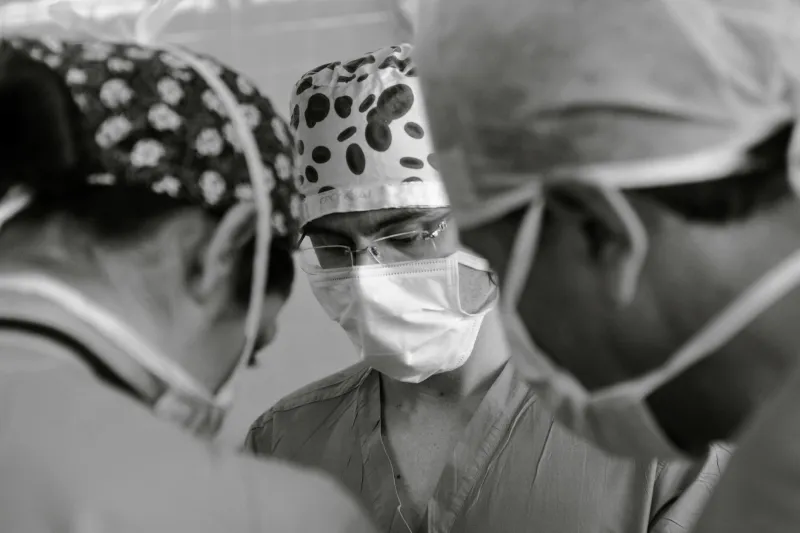
The Procedure That Made Medical History
In 1949, Portuguese neurologist António Egas Moniz received the Nobel Prize in Physiology or Medicine. His groundbreaking contribution? Developing the prefrontal lobotomy, a surgical procedure that involved cutting connections in the brain's frontal lobe to treat mental illness.
What most people don't realize is that lobotomies weren't performed in back-alley clinics by rogue doctors. They were mainstream medicine, conducted in prestigious hospitals by respected physicians who genuinely believed they were saving lives.
How Ice Picks Became Medical Instruments
The procedure gained massive popularity in America thanks to Walter Freeman, a neurologist who simplified Moniz's technique into what he called the "transorbital lobotomy." Freeman's version was disturbingly efficient: he'd insert an ice pick-like instrument through the patient's eye socket, wiggle it around to sever brain tissue, and complete the entire procedure in about 10 minutes.
Freeman performed this surgery in his office, often without anesthesia, and famously traveled the country in a van he called his "lobotomobile," performing the procedure at state hospitals and psychiatric institutions.
Between 1936 and 1967, an estimated 40,000 to 50,000 Americans underwent lobotomies. The patients ranged from severely mentally ill individuals to people suffering from depression, anxiety, and even chronic headaches.
The Medical Logic That Seemed Sound
To understand how this happened, you need to grasp the medical landscape of the 1930s and 1940s. Psychiatric hospitals were overcrowded warehouses where patients often spent their entire lives. There were no antipsychotic medications, no effective treatments for severe mental illness, and families were desperate for anything that might help their loved ones.
Lobotomies appeared to work, at least superficially. Agitated, violent, or deeply depressed patients often became calmer and more manageable after the procedure. Medical journals published studies showing "improvement" rates of 60-70%.
What doctors didn't fully acknowledge—or chose to ignore—was that these "improvements" came at a devastating cost. Patients often lost their personalities, creativity, and ability to feel emotions. They became docile and childlike, unable to plan for the future or form meaningful relationships.
The Rise of America's Lobotomy Champion
Walter Freeman became the procedure's most enthusiastic advocate, performing over 3,500 lobotomies during his career. He genuinely believed he was providing compassionate care to society's most vulnerable people.
Freeman's patients included Rosemary Kennedy, sister of future President John F. Kennedy, who was lobotomized at age 23 for what was likely mild intellectual disability and mood swings. The procedure left her incapacitated for the rest of her life.
The medical establishment embraced Freeman's work. He published extensively, gave lectures at major medical conferences, and trained other doctors in his technique. Major newspapers wrote glowing profiles of his humanitarian efforts.
Why Smart People Believed in Brain Destruction
Several factors explain how lobotomies gained such widespread acceptance:
Desperation: Families and doctors were dealing with conditions they couldn't treat any other way.
Selective Reporting: Success stories were widely publicized, while failures were often attributed to the patient's original condition rather than the surgery.
Professional Pressure: Once respected institutions adopted the procedure, other hospitals felt pressure to offer it as well.
Scientific Authority: The Nobel Prize gave the procedure enormous credibility, making it seem like established science rather than experimental treatment.
The Beginning of the End
By the 1950s, cracks began appearing in the lobotomy consensus. More rigorous follow-up studies revealed the procedure's devastating long-term effects. The introduction of antipsychotic medications like chlorpromazine offered alternative treatments that didn't require brain surgery.
Criticism grew throughout the 1960s, and by 1967, Freeman performed his last lobotomy. The medical community gradually abandoned the procedure, though it took decades for the full extent of the damage to be acknowledged.
The Uncomfortable Truth About Medical Consensus
The lobotomy era reveals something deeply unsettling about how medical knowledge develops. For over 30 years, the procedure wasn't considered experimental or controversial—it was standard treatment backed by Nobel Prize-winning research and performed at the nation's most prestigious hospitals.
This wasn't a case of a few bad doctors going rogue. It was systematic medical consensus that turned out to be catastrophically wrong.
What This Means for Today
The lobotomy story doesn't mean we should distrust all medical advice, but it does suggest we should hold space for humility about what we "know" to be true. Medical knowledge evolves, and today's breakthrough treatments might look barbaric to future generations.
The next time you hear about a revolutionary medical procedure being hailed as a miracle cure, remember that 40,000 Americans once underwent brain surgery because the medical establishment was absolutely certain it would help them. Sometimes the most dangerous medical advice is the kind that comes with the most confidence.