Fiber Is Supposed to Fix Your Gut — So Why Does Eating More of It Make Everything Worse?
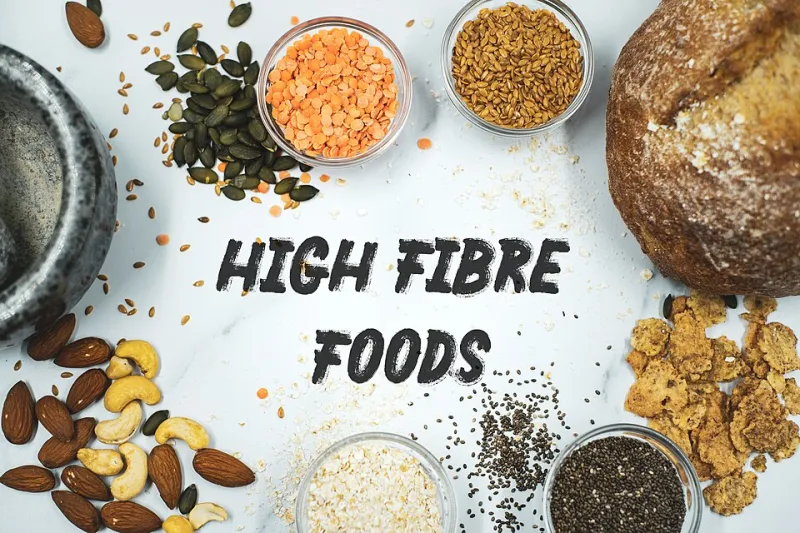
Photo: formulatehealth, CC BY 2.0, via Wikimedia Commons
Every January, somewhere between the gym membership signup and the new water bottle purchase, millions of Americans make the same resolution: eat more fiber. The advice is everywhere. On cereal boxes. In doctor's offices. On wellness blogs with clean fonts and soft lighting. Fiber lowers cholesterol. Fiber feeds your gut bacteria. Fiber keeps things moving. All of that is true.
What nobody mentions is the part that happens in week one, when you've swapped your white bread for whole grain, added a can of black beans to every meal, and started snacking on almonds — and suddenly your stomach sounds like a haunted house.
Bloating. Gas. Cramping. The kind of digestive discomfort that makes you wonder if you've accidentally poisoned yourself. And then, quietly, you go back to your old habits and chalk it up to your body just not tolerating healthy food.
Here's the thing: your body was fine. The approach was the problem.
What Fiber Actually Does Inside You
Fiber comes in two main forms — soluble and insoluble — and they behave very differently once they hit your digestive tract. Soluble fiber dissolves in water and forms a gel-like substance that slows digestion, which is where the cholesterol and blood sugar benefits come from. Insoluble fiber doesn't dissolve at all; it adds bulk and helps move things through your colon.
Both are genuinely useful. But both also require your gut microbiome — the trillions of bacteria living in your intestines — to do the heavy lifting. When bacteria ferment fiber, they produce gases as a byproduct. A little of this is completely normal. A sudden flood of it is what makes you feel like a balloon animal.
The issue isn't that fiber causes these symptoms. It's that your gut bacteria need time to adapt. The population of microbes in your intestines literally shifts composition in response to dietary changes. When you dramatically increase fiber intake overnight, you're essentially throwing a massive party for bacteria that haven't had enough time to prepare for the guest list.
The 'More Is Better' Problem
The average American gets somewhere around 10 to 15 grams of fiber per day. The recommended daily intake is 25 grams for women and 38 grams for men. That's a significant gap, and the standard advice is essentially: close it. Quickly. Add vegetables. Eat legumes. Choose whole grains.
What's missing from that guidance is any acknowledgment of pace. Jumping from 12 grams to 35 grams in a week isn't a health upgrade — it's a shock to a system that was calibrated for something entirely different. Your gut doesn't care about your New Year's resolution. It cares about consistency and gradual adjustment.
Gastroenterologists who work with patients on dietary changes often recommend increasing fiber by no more than 3 to 5 grams per week, giving the microbiome time to shift without going haywire. That timeline feels frustratingly slow to people who want results. But the alternative — going all-in and spending two weeks in discomfort — is the reason so many people conclude that fiber just doesn't work for them.
The Type of Fiber Matters More Than You Think
Not all high-fiber foods hit the gut the same way. Legumes — beans, lentils, chickpeas — are among the most fiber-dense foods you can eat, but they also contain fermentable carbohydrates called FODMAPs that are particularly aggressive at producing gas. For some people, especially those with irritable bowel syndrome, even modest amounts can trigger real discomfort.
On the other hand, cooked vegetables and whole grains tend to be gentler entry points. Oats, for example, are high in a soluble fiber called beta-glucan that most people tolerate well even when they're new to a high-fiber diet. Berries are another relatively gentle option. Starting with these before graduating to lentil soup every day is a practical approach that most fiber advice never bothers to suggest.
Drinking enough water also matters more than people realize. Insoluble fiber without adequate hydration can actually slow things down rather than speed them up — the opposite of the intended effect. The fiber needs water to do its job properly.
Why the Advice Stays Incomplete
Part of why the nuance gets lost is that fiber has an almost universally positive reputation in nutrition research, which makes it easy to skip the caveats. When something is genuinely good for you, the messaging tends to flatten into "eat more of it" without room for "but here's how to do that without making yourself miserable."
Food companies don't help. Marketing around high-fiber products often implies that eating their crackers or cereal once a day will transform your gut health. The reality is more boring and more gradual than any packaging is going to admit.
There's also the fact that digestive discomfort is awkward to talk about. People who have a rough experience with a fiber increase often assume something is wrong with them personally, rather than recognizing it as a predictable physiological response to a too-fast change.
The Actual Takeaway
Fiber is worth adding to your diet. The research on that is solid. But the way most people go about it — dramatically, all at once, motivated by a resolution or a doctor's offhand comment — is almost designed to fail.
The sustainable version looks less impressive on paper. Add a serving of oats here. Throw some berries into lunch. Work up to beans over a few weeks rather than a few days. Drink more water. Let your gut bacteria catch up before you keep pushing.
It's not a dramatic story. But it's one that actually ends with a working digestive system, which is probably what you wanted in the first place.