Why We Shake Hands: The Medieval Security Check That Became Modern Etiquette
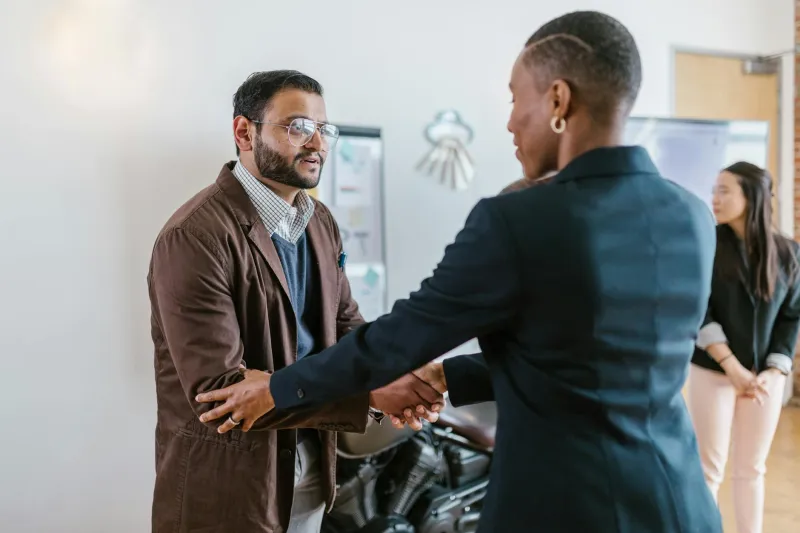
You've probably shaken thousands of hands in your lifetime—sealing deals, meeting new people, greeting friends. It feels like the most natural thing in the world, a universal symbol of goodwill and respect. But the origins of this ubiquitous gesture tell a very different story, one rooted not in friendship but in fear.
The handshake wasn't invented to show trust—it was created to prove the absence of immediate danger.
When Every Meeting Was Potentially Fatal
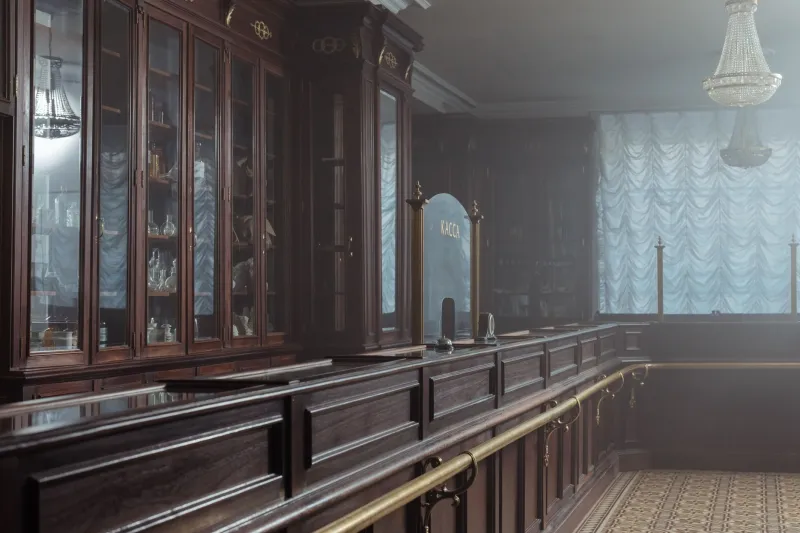
To understand why the handshake exists, you need to picture medieval Europe, where carrying weapons wasn't just common—it was essential for survival. Knights, merchants, peasants, and nobles all went armed as a matter of course. A sword, dagger, or knife wasn't just for warfare; it was everyday equipment for cutting food, clearing brush, and defending yourself from bandits, wild animals, or political enemies.
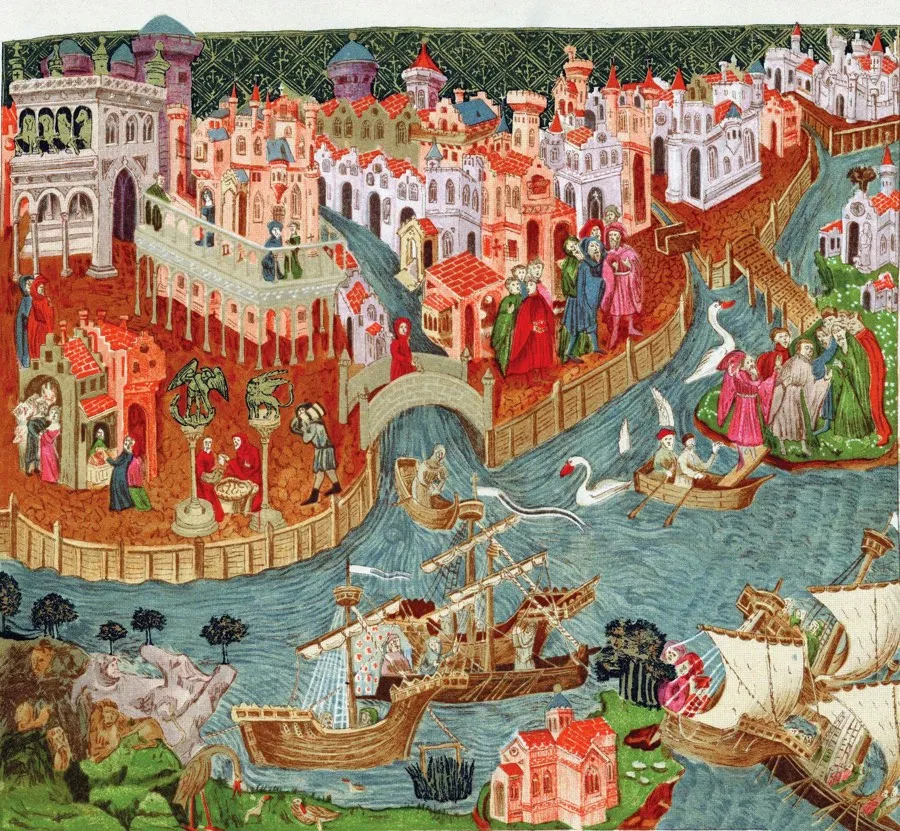 Photo: Medieval Europe, via kottke.org
In this world, every encounter with a stranger carried genuine risk. How do you approach someone when you both might be armed and you have no idea of their intentions? How do you signal that you're not about to attack?
The solution was elegantly simple: extend your right hand—your weapon hand—in an open, empty palm. This demonstrated that you weren't gripping a weapon and couldn't quickly draw one. The other person would reciprocate, and both parties would clasp hands, making it impossible for either to suddenly reach for a hidden blade.
This wasn't just paranoia. Medieval Europe was genuinely dangerous. Political assassinations were common, blood feuds lasted generations, and the legal system offered little protection for ordinary people. A moment of carelessness could literally be your last.
The Grip That Saved Lives
The medieval handshake often involved more than a quick clasp. Historical accounts describe extended gripping, sometimes with both hands, and vigorous shaking motions. This wasn't just enthusiasm—it was a thorough security check.
The shaking motion would dislodge any hidden weapons tucked up sleeves or in loose clothing. The extended grip gave both parties time to assess each other and ensured that neither could quickly transition to an attack. Some versions involved grasping the forearm rather than just the hand, making it even more difficult to conceal or draw a weapon.
This practical security measure became so standard that refusing to shake hands was essentially declaring hostile intent. It was the medieval equivalent of refusing to go through airport security—an immediate red flag that you might be carrying something dangerous.
From Survival Tool to Social Signal
As European society became more stable and everyday weapon-carrying declined, the handshake evolved. What started as a mutual security check gradually transformed into a gesture of respect and goodwill. But the underlying message remained the same: "I'm not a threat to you."
By the Renaissance, the handshake had become standard diplomatic protocol. Treaties were sealed with handshakes, business deals concluded with firm grips, and social introductions formalized with extended hands. The gesture that once meant "I'm not about to stab you" had become "I'm pleased to meet you."
The transition wasn't immediate or universal. Different cultures developed their own greeting rituals—bowing, embracing, touching foreheads—but the handshake's practicality and clear meaning helped it spread throughout Europe and eventually around the world through trade and colonization.
The Modern Handshake's Hidden Messages
Even today, the handshake carries echoes of its security-check origins. We still judge people by their handshakes, reading volumes into grip strength, duration, and eye contact. A "firm handshake" is universally praised in American business culture, while a "limp" or "weak" handshake can torpedo a first impression.
This isn't coincidence. The handshake remains a test of sorts—not for hidden weapons, but for confidence, trustworthiness, and social competence. We're still using it to assess whether someone might be a threat, just a different kind of threat than our medieval ancestors worried about.
The business world has turned handshake analysis into an art form. Recruiters, salespeople, and executives all have theories about what different grips reveal about personality and character. The "politician's handshake" (two-handed, with extended eye contact) signals extra sincerity. The "bone-crusher" suggests dominance or insecurity. The "dead fish" implies weakness or disinterest.
Cultural Variations and Modern Challenges
Not everyone got the handshake memo. Many cultures never adopted the practice, preferring bows, embraces, or other greeting rituals that better reflected their values and social structures. In some Asian cultures, the handshake is still seen as overly aggressive or presumptuous.
The COVID-19 pandemic created the first widespread challenge to handshaking in centuries. Suddenly, the gesture designed to prove you weren't dangerous became potentially dangerous itself. Elbow bumps, waves, and verbal greetings temporarily replaced the ancient ritual, leading some to wonder if we were witnessing the end of a thousand-year tradition.
But handshakes have proven remarkably resilient. As pandemic restrictions lifted, most people eagerly returned to hand-clasping, suggesting that the gesture fulfills some deep social need that goes beyond mere custom.
The Persistence of Ancient Instincts
The handshake's evolution from weapons check to social ritual reveals something profound about human nature. We're still fundamentally concerned with the same question that worried medieval travelers: "Is this person safe to interact with?"
We've just moved the assessment from "Are they carrying a concealed dagger?" to "Are they confident, trustworthy, and socially competent?" The handshake remains our first physical contact with strangers, our initial test of their intentions and character.
Next time you extend your hand to greet someone, remember that you're participating in a ritual that once saved lives by preventing violence. That simple gesture carries the weight of a thousand years of human history, transforming mutual suspicion into social connection through the simple act of proving you come in peace.
The handshake may have started as medieval security theater, but it evolved into something more valuable: a universal signal that despite our differences, we're willing to trust each other enough to make contact. In a world that often feels divided and dangerous, that's not a bad foundation for human interaction.