Those Food Dates Have Nothing to Do With Safety—They're Just Grocery Store Theater
The Great American Food Waste Mystery
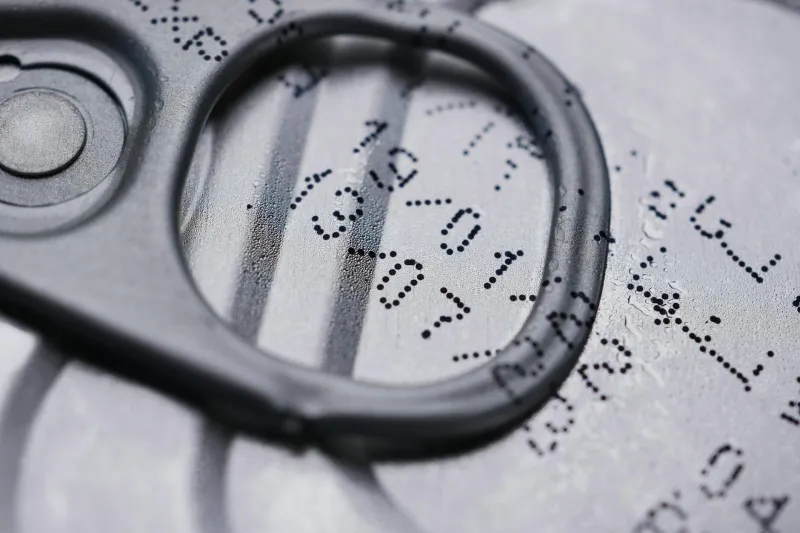
Walk through any American kitchen and you'll witness a peculiar ritual: the careful inspection of date stamps before every meal. "Best by March 15th"—into the trash. "Use by last Tuesday"—straight to the garbage disposal. "Sell by yesterday"—definitely not worth the risk.
This obsessive date-checking feels responsible, even necessary. After all, who wants to risk food poisoning over a questionable carton of milk? But here's what most people don't realize: those dates stamped on your food have almost nothing to do with safety and everything to do with business logistics.
The Unregulated Wild West of Food Dating
Contrary to popular belief, the federal government doesn't require expiration dates on most foods. Except for baby formula and a few specific products, those "best by," "sell by," and "use by" labels are entirely voluntary and completely unregulated. Manufacturers can put whatever date they want, using whatever criteria they choose, with no oversight from food safety authorities.
This means the "expiration" system that governs American kitchens is essentially a free-for-all where each company creates its own rules. Some base dates on taste quality. Others focus on texture changes. Many simply pick conservative timeframes to protect their brand reputation. None are required to use scientific safety data.
The Business Logic Behind the Labels
So why do companies bother with dates at all? The answer reveals a sophisticated supply chain management system disguised as consumer protection.
"Sell by" dates help grocery stores manage inventory turnover. They ensure products move off shelves while they still look and taste their best, minimizing customer complaints and returns. "Best by" dates set consumer expectations about peak quality, encouraging people to buy fresh products more frequently. "Use by" dates create urgency that drives consumption and repeat purchases.
From a business perspective, it's brilliant. Conservative dating ensures customers experience products at their absolute peak, building brand loyalty. It also creates a built-in replacement cycle that keeps sales flowing. The fact that these dates aren't based on safety science isn't a bug—it's a feature.
When Dates Actually Matter (Spoiler: Rarely)
There are exactly two scenarios where printed dates relate to actual food safety: baby formula (which is federally regulated) and certain medications (which aren't food). For everything else—milk, bread, canned goods, frozen foods—the dates reflect quality preferences, not safety thresholds.
Real food safety is about storage conditions, contamination prevention, and recognizing actual spoilage signs. A carton of milk stored at proper temperature might be perfectly safe days after its "sell by" date, while the same milk left in a hot car could be dangerous hours after purchase, regardless of what the label says.
The Sensory System You Already Own
Humans evolved remarkably sophisticated food safety detection systems that work far better than any printed date. Your nose can detect harmful bacteria at concentrations your taste buds identify dangerous toxins before they reach harmful levels. Your eyes spot mold, discoloration, and texture changes that signal spoilage.
These biological warning systems served our species for thousands of years before expiration dates existed. They're still more reliable than arbitrary calendar deadlines, yet we've been trained to distrust our own senses in favor of corporate scheduling.
The 80 Billion Pound Problem
The consequences of this date confusion are staggering. Americans waste approximately 80 billion pounds of food annually—roughly 1,000 pounds per person. Much of this waste comes from perfectly safe, nutritious food discarded solely because of passed dates.
This isn't just an environmental tragedy; it's an economic disaster. The average American family throws away $1,500 worth of food each year, much of it based on misunderstood date labels. Meanwhile, 38 million Americans face food insecurity, creating the surreal situation where edible food gets trashed while people go hungry.
The International Reality Check
Most other developed countries handle food dating completely differently. The European Union uses only two standardized labels: "use by" for safety-sensitive items and "best before" for quality indicators. The UK has moved toward even simpler systems, with many products carrying no dates at all.
 Photo: European Union, via image.shutterstock.com
These countries don't have higher rates of foodborne illness. In fact, many have better food safety records than the United States while generating significantly less food waste. The difference isn't in their food safety—it's in their labeling philosophy.
Learning to Read Between the Lines
Understanding what different date labels actually mean can save both money and perfectly good food:
"Sell by" dates are instructions for retailers, not consumers. They indicate when stores should rotate stock, but products remain safe and often tasty well beyond these dates.
"Best by" dates suggest peak quality periods but have no safety implications. A "best by" date that's passed doesn't mean the food is bad—just that it might not taste quite as good as when it was fresher.
"Use by" dates are the manufacturer's estimate of quality duration, not safety deadlines. Even these should be evaluated using your senses rather than followed blindly.
The Simple Truth About Food Safety
Real food safety comes down to three basic principles: proper storage, avoiding contamination, and trusting your senses. Keep cold foods cold, hot foods hot, wash your hands, and pay attention to how food looks, smells, and tastes.
A yogurt that smells fine, looks normal, and tastes good is almost certainly safe to eat, regardless of what date is printed on the container. Conversely, food that shows signs of spoilage should be discarded immediately, even if it's well before any printed date.
Reclaiming Common Sense
The next time you find yourself automatically tossing food because of a passed date, pause and actually examine it. Does it smell off? Look moldy? Taste strange? If not, you're probably throwing away perfectly good food based on a supply chain management tool that was never designed to keep you safe.
In a culture obsessed with expiration dates, perhaps the most radical act is trusting the food safety system you were born with: your own senses. They've been keeping humans safe from spoiled food for millennia, and they're still more reliable than any date stamp dreamed up in a corporate boardroom.
 Photo: United Kingdom, via www.nationsonline.org