That Calorie Count on Your Chipotle Bowl Could Be Off by an Entire Meal
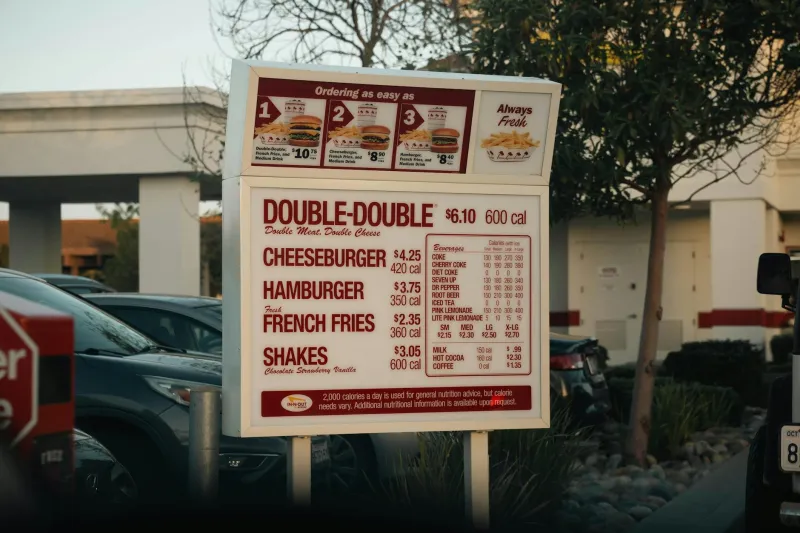
You scan the menu board at your favorite restaurant, eyes darting between calorie counts. The grilled chicken salad says 420 calories. The burger clocks in at 890. You order the salad, confident you've made the healthier choice.
There's just one problem: that 420-calorie salad might actually contain 620 calories. Or more. And according to federal regulations, the restaurant hasn't done anything wrong.
The Calorie Counting Illusion
Since 2018, chain restaurants with 20 or more locations have been required to post calorie counts on their menus. The policy aimed to help Americans make informed dining choices in a country where restaurant meals account for roughly half of all food spending.
But the precision those numbers suggest is largely fictional. Studies consistently show that restaurant calorie counts can miss the mark by 200 to 500 calories per dish. A 2011 study published in the Journal of the American Medical Association found that 19% of tested foods contained at least 100 more calories than advertised, with some items containing twice their listed calories.
 Photo: Journal of the American Medical Association, via c8.alamy.com
The problem isn't that restaurants are lying — it's that calorie measurement is far messier than most people realize.
Why Menu Math Doesn't Add Up
The 20% Rule Nobody Talks About
The FDA allows restaurants a 20% margin of error when listing calories. That means a dish advertised as 500 calories can legally contain up to 600 calories. For a 1,000-calorie entrée, restaurants have a 200-calorie cushion.
This wiggle room exists because calculating precise calories for restaurant food is nearly impossible. Unlike packaged foods made in controlled factory conditions, restaurant meals involve human cooks, varying portion sizes, and preparation methods that change throughout the day.
The Portion Problem
Restaurant calorie counts are based on standardized recipes and portion sizes. But anyone who's ordered the same dish multiple times knows that "one serving" can look dramatically different depending on who's working the kitchen.
That scoop of rice might be level one day and heaping the next. The "light drizzle" of dressing could become a generous pour. Each variation adds calories that don't show up on the menu board.
Cooking Variables Change Everything
The same chicken breast can contain vastly different calorie counts depending on how it's prepared. Grilling temperatures, oil usage, and cooking times all affect the final calorie content. A piece of salmon that loses more moisture during cooking becomes more calorie-dense per gram than one that retains more water.
Even seemingly identical preparation methods vary. "Grilled" chicken at one restaurant might be brushed with oil, while another establishment grills theirs dry. That oil adds roughly 40 calories per teaspoon — a difference that rarely appears in calorie calculations.
The Science Behind the Estimates
Restaurants typically determine calorie counts using one of three methods: laboratory analysis, nutrition databases, or recipe calculation software. Each approach has significant limitations.
Laboratory testing provides the most accurate results but costs hundreds of dollars per dish. Most chains opt for database lookups or software calculations that estimate calories based on ingredient lists and standard preparation methods.
These estimation methods assume consistency that doesn't exist in real restaurant kitchens. They can't account for the extra tablespoon of oil a cook uses on a busy night, or the fact that "medium" vegetables vary in size depending on the season and supplier.
The Psychology of Precision
The specific numbers on menu boards create an illusion of scientific accuracy. Seeing "420 calories" feels more reliable than "approximately 400-500 calories," even though the latter would be more honest.
This false precision can backfire for diners trying to manage their weight or health conditions. Someone tracking calories for diabetes management might base their medication dosing on inaccurate menu information. A person trying to lose weight might become frustrated when their careful calorie counting doesn't produce expected results.
Research suggests that people who rely heavily on menu calorie counts sometimes develop a false sense of dietary control. They may eat larger portions or choose higher-calorie foods because they believe they're accurately tracking their intake.
What This Means for Your Next Meal
Menu calorie counts aren't useless — they provide valuable ballpark estimates for comparing dishes. The grilled fish is probably lower in calories than the fried chicken, regardless of whether the exact numbers are precise.
But treating these figures as gospel can lead to disappointment and confusion. Instead of fixating on specific numbers, focus on patterns. Look for preparation methods (grilled vs. fried), portion sizes, and ingredient lists that align with your health goals.
The Bottom Line
Calorie counts on restaurant menus are educated guesses dressed up as scientific facts. They're useful for making relative comparisons between dishes, but they're not precise enough for detailed calorie tracking.
The next time you order that 420-calorie salad, remember: you might be getting 420 calories, or you might be getting 520. Either way, you're probably still making a better choice than the 890-calorie burger — but the exact math remains a mystery, even to the restaurant.