Sports Medicine's Biggest Mistake: Why Icing Injuries Actually Slows Down Healing
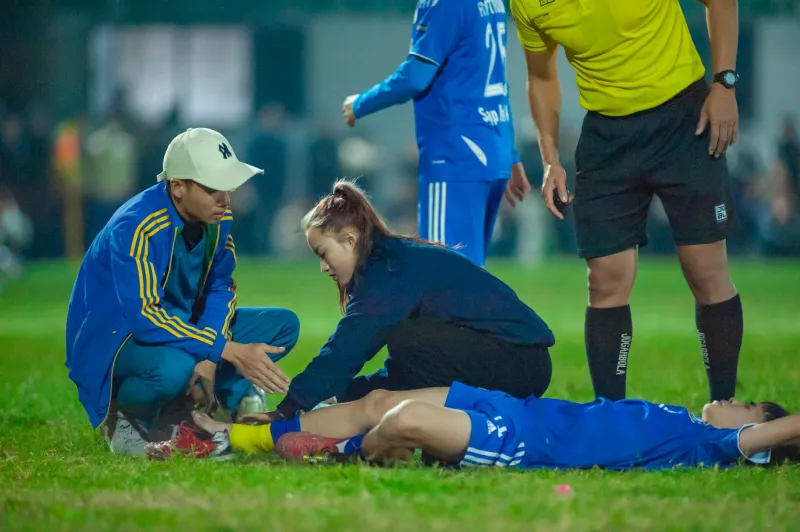
Every coach, trainer, and parent knows the drill: someone gets hurt, you grab the ice pack. It's been gospel in sports medicine for half a century. Rest, Ice, Compression, Elevation—RICE—became the automatic response to virtually every acute injury from Little League to the Olympics.
But here's what might make you rethink that freezer bag: the man who invented RICE later admitted the ice part was based on almost no solid evidence. And current research suggests that icing injuries might actually slow down the healing process your body is desperately trying to complete.
The Birth of an Icy Empire
The RICE protocol emerged in 1978 when Dr. Gabe Mirkin published "The Sports Medicine Book." The acronym was catchy, easy to remember, and seemed logical—reduce swelling, reduce pain, speed recovery. Ice became the universal first aid response, from high school athletic trainers to emergency rooms.
Dr. Mirkin's reasoning seemed sound at the time. Ice numbs pain and constricts blood vessels, which reduces the inflammatory response that causes swelling. Less swelling meant less secondary damage to surrounding tissues, or so the thinking went.
The problem? This was largely theoretical. The research supporting ice application was surprisingly thin, mostly consisting of small studies on laboratory animals or limited human trials that measured pain reduction rather than actual healing outcomes.
What Your Body Actually Wants to Do
Here's where the story gets interesting: inflammation isn't your body malfunctioning—it's your body's repair crew showing up to work.
When you sprain an ankle or strain a muscle, your body immediately floods the area with inflammatory cells called macrophages. These aren't random troublemakers causing unnecessary swelling. They're cleanup crews that remove damaged tissue and release growth factors that kick-start the healing process.
Icing an injury is essentially telling your body's repair team to slow down and work with less efficiency. The reduced blood flow that ice creates also limits the delivery of nutrients and oxygen that injured tissues need to rebuild.
Recent studies have shown that animals whose inflammatory response was suppressed after injury took significantly longer to heal than those whose inflammation was allowed to proceed naturally. The swelling that we've been taught to fight is actually a crucial part of recovery.
The Evidence Keeps Melting
In 2013, Dr. Mirkin himself published a reversal that shook the sports medicine world. "Coaches have used my RICE guideline for decades, but now it appears that both ice and complete rest may delay healing," he wrote.
The research that changed his mind was compelling. Multiple studies found that ice application after muscle injury actually prolonged the inflammatory phase rather than shortening it. Other research showed that controlled movement and gradual loading of injured tissues promoted faster healing than complete rest.
A 2019 systematic review examining decades of ice research found virtually no evidence that ice application improved healing outcomes for soft tissue injuries. Some studies even suggested that icing might increase tissue damage in certain types of injuries.
Why Bad Advice Dies Hard
So why do trainers, coaches, and even many doctors still reach for ice packs? The answer reveals something fascinating about how medical practices become entrenched.
First, ice does provide immediate pain relief, which feels like it's "working." When someone ices a sprained ankle and feels better, they naturally assume the treatment is effective—even though pain reduction and healing speed are completely different things.
Second, the RICE protocol became so deeply embedded in sports culture that questioning it felt like heresy. Entire generations of athletic trainers built their practice around it. Medical textbooks taught it as fact. Insurance companies expected it.
Third, there's a powerful psychological appeal to "doing something" when someone gets hurt. Ice feels active and helpful, while allowing natural inflammation to proceed feels like dangerous inaction.
The New Game Plan
So what should you do when injury strikes? Modern sports medicine has largely moved toward what researchers call "optimal loading"—gentle, progressive movement that stimulates healing without causing additional damage.
For most acute injuries, the current evidence supports:
- Early, gentle movement rather than complete rest
- Gradual return to activity as pain allows
- Pain management through over-the-counter medications if needed
- Professional evaluation for significant injuries
Some practitioners now advocate for heat application instead of ice, arguing that increased blood flow better supports the healing process. Others recommend alternating heat and cold. But the strongest evidence points toward simply letting your body's natural repair mechanisms work without interference.
The Bigger Picture
The ice story illustrates something important about medical knowledge: practices can become "standard of care" long before we actually understand whether they work. The appeal of a simple, memorable protocol like RICE can override the need for rigorous testing.
It also shows how difficult it can be to change established medical practices, even when the evidence shifts. Dr. Mirkin's public reversal was remarkably rare in medicine—most practitioners simply continue doing what they've always done.
The next time you see someone reach for an ice pack after a sports injury, you'll know you're watching a medical practice that's literally melting away under scientific scrutiny. Sometimes the best medicine is simply getting out of your body's way and letting it do what it evolved to do: heal itself.