SPF 100 Isn't Twice as Strong as SPF 50 — The Math Behind Sunscreen Numbers Is Genuinely Weird
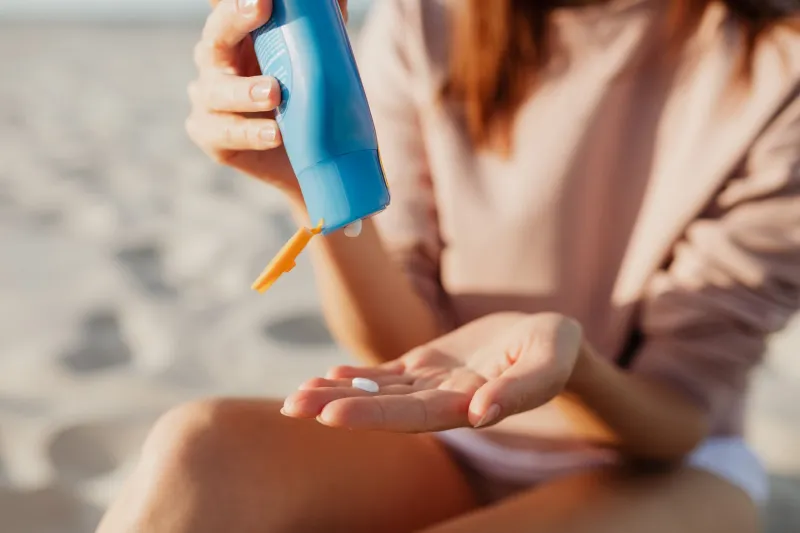
Stand in any drugstore sunscreen aisle this summer and you'll find products ranging from SPF 15 to SPF 100+. The natural assumption most shoppers make is that the relationship between those numbers is roughly linear — that SPF 100 offers about twice the protection of SPF 50, and that SPF 50 is significantly stronger than SPF 30.
That's a completely reasonable assumption. It's also wrong in a way that actually matters for how you protect your skin.
The SPF scale doesn't work like a volume dial. It works more like a curve that flattens out quickly at the high end, and once you understand the math behind it, the entire sunscreen aisle starts to look a little different.
What SPF Actually Measures
SPF stands for Sun Protection Factor, and it's specifically a measure of protection against UVB radiation — the wavelengths primarily responsible for sunburn and a major contributor to skin cancer risk. (UVA protection is a separate issue we'll get to in a moment.)
The number itself refers to how much UVB radiation reaches your skin relative to wearing no sunscreen at all. The formula is simple: SPF indicates that 1 divided by the SPF number represents the fraction of UVB that gets through.
So SPF 30 allows 1/30th of UVB radiation to reach your skin, which means it blocks about 96.7 percent. SPF 50 allows 1/50th through, blocking about 98 percent. SPF 100 allows 1/100th through, blocking 99 percent.
Look at those numbers again. The difference between SPF 30 and SPF 50 is about 1.3 percentage points of additional protection. The difference between SPF 50 and SPF 100 is another 1 percentage point. You are not doubling your protection by going from 50 to 100. You are gaining a fraction of a percent.
Why the Numbers Feel Bigger Than They Are
The reason SPF 100 sounds so much more powerful than SPF 50 is that we're wired to read numerical scales as linear. Double the number, double the protection — that's how most things work. But SPF is measuring a ratio of transmission, not a quantity of protection, and those are very different things mathematically.
Think of it this way: SPF 15 already blocks about 93 percent of UVB. Going from zero protection to SPF 15 is an enormous leap. Going from SPF 50 to SPF 100 gets you from 98 percent to 99 percent — meaningful at the margins, but nowhere near as dramatic as the jump in numbers suggests.
The American Academy of Dermatology recommends SPF 30 as a general minimum, and notes that SPF 30 to 50 covers the practical range for most people's needs. Very high SPF products — 70, 85, 100+ — aren't harmful, but they can create a false sense of security that leads people to apply less product or skip reapplication, which actually results in worse protection than using a lower SPF correctly.
The UVA Problem Nobody Talks About Enough
Here's where the SPF story gets more complicated. SPF only measures UVB protection. UVA radiation — which penetrates more deeply into the skin, contributes significantly to premature aging, and is also linked to melanoma risk — isn't captured in the SPF number at all.
In the United States, products that protect against both UVA and UVB are labeled "broad spectrum," and that label is regulated by the FDA. But the standard for what qualifies as broad spectrum doesn't require proportional UVA protection relative to the SPF number. A product can have a very high SPF and still offer relatively modest UVA coverage.
The EU and several other countries use a different system that requires UVA protection to be at least one-third of the stated SPF, and products that meet this standard carry a UVA logo on the packaging. That system doesn't exist in the US, which means American consumers have less clarity about UVA coverage than the label might suggest.
Dermatologists generally recommend looking for broad-spectrum products containing ingredients like avobenzone, zinc oxide, or titanium dioxide, which offer meaningful UVA coverage. Zinc oxide, in particular, provides broad-spectrum protection across both UVA and UVB wavelengths and is widely regarded as one of the more reliable options.
The Application Problem Is Bigger Than the Formula Problem
All of the above assumes you're applying sunscreen the way it was tested — and almost nobody is.
SPF ratings are determined in lab conditions where 2 milligrams of product per square centimeter of skin are applied. In practice, most people apply somewhere between 20 and 50 percent of that amount. At half the recommended application, an SPF 30 product performs closer to SPF 5 or 6 in real-world conditions. This is a far bigger variable in actual sun protection than the difference between SPF 50 and SPF 100.
Reapplication matters enormously too. Sunscreen degrades with sun exposure, sweat, and water contact. The FDA recommends reapplying every two hours during outdoor activity, and after swimming or heavy sweating regardless of time elapsed. Most people apply once in the morning and consider themselves covered for the day.
What Actually Matters When You're Buying Sunscreen
Given all of this, here's what dermatologists consistently emphasize:
Broad spectrum is non-negotiable. If a product doesn't say "broad spectrum," it's not protecting you against UVA radiation in any meaningful way.
SPF 30 to 50 is the practical sweet spot. The marginal gains above SPF 50 are real but small. More importantly, a thicker, harder-to-apply formula at SPF 100 that you use sparingly will protect you less than a comfortable SPF 30 that you apply generously and reapply regularly.
Application quantity and reapplication frequency matter more than the SPF number. This is where most people's sun protection actually breaks down.
The formula you'll actually use is the best formula. Sunscreen only works if it makes it onto your skin. If a spray is what gets you to apply it consistently, a spray at SPF 30 beats a lotion at SPF 100 that sits in your bag.
The SPF number on the bottle is a useful data point — it's just not the story most people think it is. The real protection happens in how you use the product, not in which triple-digit number you choose off the shelf.
The takeaway: SPF numbers follow a curve, not a straight line. The jump from SPF 30 to SPF 50 is small, and from SPF 50 to SPF 100 is smaller still. Broad-spectrum coverage, generous application, and consistent reapplication will do more for your skin than chasing the highest number on the label.