How Kellogg's Convinced America That Skipping Breakfast Would Ruin Your Life
How Kellogg's Convinced America That Skipping Breakfast Would Ruin Your Life
Every American knows the rule: breakfast is the most important meal of the day. Skip it, and you'll struggle with weight gain, poor concentration, and sluggish metabolism. This nutritional wisdom feels as fundamental as drinking water or getting sleep.
Except it's not ancient wisdom at all. It's a marketing slogan created by cereal companies in the early 1900s to sell more corn flakes.
The idea that missing breakfast is inherently unhealthy has been drilled into American consciousness for over a century, but it originated in corporate boardrooms, not nutrition laboratories. And modern science suggests that for many people, skipping breakfast might actually be perfectly fine — or even beneficial.
The Breakfast Industrial Complex
Dr. Kellogg's Curious Crusade
The breakfast-as-necessity narrative began with Dr. John Harvey Kellogg, the eccentric physician who invented corn flakes in 1894. Kellogg wasn't primarily interested in profits — he was obsessed with digestive health and believed that a light, grain-based morning meal would cure America's supposed epidemic of "autointoxication" (the idea that food rotting in your intestines poisoned your body).
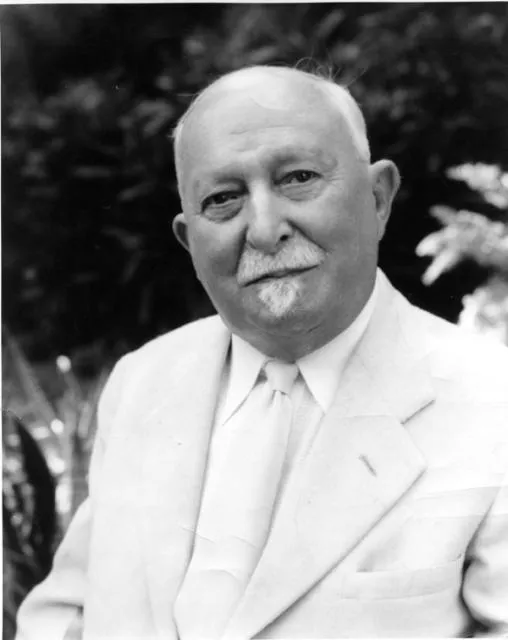 Photo: Dr. John Harvey Kellogg, via biographs.org
Kellogg's medical theories were largely nonsense, but his marketing instincts were brilliant. He positioned breakfast cereal as a health food, a convenient alternative to the heavy meat-and-eggs breakfasts that wealthy Americans had adopted from English tradition.
Madison Avenue Takes Over
By the 1920s, Kellogg's company and its competitors had transformed Dr. Kellogg's health crusade into a sophisticated marketing campaign. Print advertisements featured doctors in white coats explaining why children needed cereal to grow strong and smart. Radio commercials warned parents that skipping breakfast would doom their kids to academic failure.
The phrase "breakfast is the most important meal of the day" appeared in a 1944 marketing campaign for Grape Nuts cereal. It wasn't based on nutritional research — it was a catchy way to convince Americans that buying cereal was an act of responsible parenting.
By the 1950s, this marketing message had become accepted nutritional fact, repeated by doctors, teachers, and parents who had no idea it originated in advertising copy.
The Science That Wasn't There
For decades, the breakfast industry funded studies designed to prove that morning eating was essential for health. These studies had a curious pattern: they consistently found that breakfast eaters were healthier than breakfast skippers, but they rarely asked why.
The problem with this research was correlation versus causation. People who eat breakfast tend to have other healthy habits: they're more likely to exercise regularly, eat vegetables, avoid smoking, and maintain consistent sleep schedules. Meanwhile, breakfast skippers were more likely to be shift workers, college students living on irregular schedules, or people dealing with stress and time constraints.
Comparing these two groups and concluding that breakfast itself made the difference was like comparing people who own treadmills to people who don't and concluding that treadmill ownership prevents heart disease.
What Happens When You Actually Test Breakfast
When researchers began conducting controlled studies — where they randomly assigned people to eat or skip breakfast while controlling for other variables — the results were surprising.
A 2014 study published in the American Journal of Clinical Nutrition found no significant difference in weight loss between people who ate breakfast and those who skipped it. A 2019 systematic review of 13 randomized controlled trials concluded that breakfast had no special metabolic benefits and that skipping it didn't slow down metabolism as commonly believed.
Perhaps most surprisingly, some studies found that intermittent fasting — which often involves skipping breakfast — can improve insulin sensitivity, reduce inflammation, and support weight management in certain populations.
The Metabolism Myth
One of the most persistent breakfast myths is that eating in the morning "kickstarts" your metabolism. This idea suggests that your metabolic rate slows down overnight and needs food to get back up to speed.
But metabolism doesn't work like a car engine that needs to be started. Your metabolic rate naturally rises in the morning due to circadian rhythms and hormone fluctuations, regardless of whether you eat. Your body is perfectly capable of maintaining normal metabolic function for 12-16 hours without food — that's literally what sleep is for.
The "thermic effect of food" — the temporary metabolic boost from digesting meals — is real, but it's proportional to the calories consumed. Eating 300 calories at breakfast provides the same metabolic benefit as eating those same 300 calories at lunch.
The Individual Equation
None of this means breakfast is bad or that everyone should skip it. Some people genuinely feel better eating in the morning, perform better mentally with steady fuel, or have medical conditions that require regular eating schedules.
The problem isn't breakfast itself — it's the one-size-fits-all messaging that makes people feel guilty or unhealthy for following their natural appetite patterns.
Some people wake up hungry and energetic after eating. Others feel nauseous at the thought of morning food and don't experience hunger until midday. Both patterns are normal, and neither is inherently healthier than the other.
The Cultural Breakfast Divide
The "breakfast is essential" message is surprisingly American. Many cultures around the world have different relationships with morning eating. Traditional Mediterranean diets often feature light morning meals or just coffee. Many Asian cultures historically emphasized lunch as the day's most important meal.
Even within America, the hearty breakfast tradition is relatively recent and class-specific. Farm workers ate large breakfasts because they needed fuel for physical labor starting at dawn. Office workers in the early 20th century often ate nothing more than coffee and toast.
The modern American breakfast — with its emphasis on convenience foods like cereal, breakfast bars, and pastries — is largely a product of industrialization and marketing, not nutritional necessity.
Breaking Free from Breakfast Dogma
Recognizing breakfast marketing for what it is doesn't mean you should immediately stop eating in the morning. Instead, it means you can make decisions based on your actual hunger, energy levels, and lifestyle rather than inherited guilt about nutritional rules.
If you love breakfast and feel great eating it, continue. If you've been forcing down morning meals because you thought you had to, experiment with listening to your natural appetite instead.
The most important meal of the day might just be the one that makes you feel your best — regardless of what time you eat it.
The Bottom Line
The next time someone tells you that breakfast is the most important meal of the day, remember: you're hearing a century-old advertising slogan, not nutritional science. Your body is remarkably adaptable and capable of thriving on a wide variety of eating patterns.
The real lesson isn't about breakfast specifically — it's about questioning nutritional "facts" that seem to benefit specific industries. Sometimes the most revolutionary act is simply asking: who profits when I believe this?