Lowering Your Fever Might Actually Be Working Against You

Photo: U.S. Air Force photo by Airman 1st Class Zachary Kee, Public domain, via Wikimedia Commons
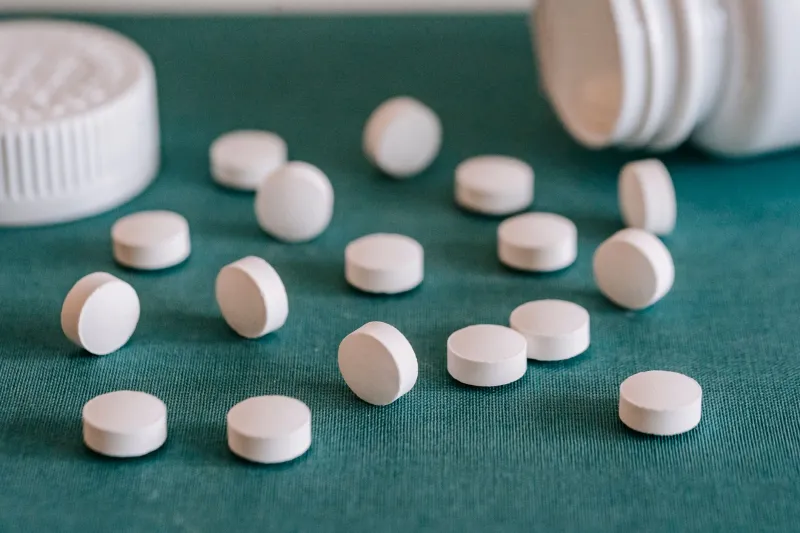
There's a ritual most American households know by heart. Someone feels warm, a thermometer comes out, and within minutes a dose of ibuprofen or acetaminophen is on the way. It feels responsible. It feels caring. The fever goes down, the person feels better for a few hours, and everyone assumes the medicine is doing its job.
But here's the part nobody tells you: the fever was already doing a job. And you may have just interrupted it.
What a Fever Actually Is
A fever isn't a malfunction. It's a coordinated biological response — one your immune system has been running for hundreds of millions of years. When your body detects an invading pathogen, whether bacterial or viral, it deliberately raises its core temperature. This isn't accidental. It's a calculated move.
Elevated body temperature does several useful things at once. Many bacteria and viruses replicate most efficiently at normal human body temperature, around 98.6°F. Push that up even a few degrees and their reproduction slows. Meanwhile, the heat accelerates your immune cells — white blood cells move faster, interferon production increases, and the proteins that help identify and destroy pathogens become more active. Your body is essentially turning up the pressure on an invader while simultaneously giving its own defenses a speed boost.
Researchers have documented this in multiple contexts. A 2012 study published in the Journal of Leukocyte Biology found that elevated temperatures enhanced the migration of immune cells to infection sites. Earlier work showed that artificially suppressing fevers in animal studies sometimes extended the duration of infection and increased mortality rates in certain cases. The pattern keeps showing up: letting a fever run its course, within reason, often correlates with faster recovery.
Where the Reflexive Fever-Fixing Habit Came From
So why do we treat every temperature spike like a five-alarm emergency?
Part of it is comfort. Fevers feel awful — the aches, the chills, the fatigue. Reducing them makes people feel better in the short term, and feeling better gets conflated with getting better. That's an easy mental leap to make, but they're not the same thing.
Part of it is history. For centuries, extremely high fevers — the kind that cause seizures or brain damage — were genuinely life-threatening and difficult to control. The cultural memory of fever as a serious danger persisted long after medicine developed effective ways to manage the truly dangerous cases. That wariness got passed down through generations, and the pharmaceutical industry had no reason to correct it.
And part of it is marketing. Fever reducers are among the most purchased over-the-counter medications in the country. The messaging around them has consistently framed fever as the problem to solve rather than the symptom to understand.
The Threshold Question: When Does It Actually Matter?
None of this means you should ignore every fever. The distinction that matters — and that most medicine cabinet reflexes skip over — is between a moderate fever and a dangerous one.
For adults, most physicians and infectious disease specialists draw the line somewhere around 103°F. Below that, a fever in a healthy adult is generally doing more good than harm. The body is working. Staying hydrated, resting, and monitoring the situation is often the most medically sound approach.
Above 103°F, or if a fever lasts more than three days, intervention starts to make more sense — not because the fever itself is automatically dangerous at that point, but because prolonged high temperatures carry their own risks and may signal something more serious underlying the infection.
Children and infants are a different calculation. Febrile seizures, while usually not permanently harmful, are more common in young children, and pediatricians typically use lower thresholds for concern. Any fever in an infant under three months old warrants a call to a doctor. This isn't the same situation as an otherwise healthy adult with a 100.8°F temperature and a head cold.
The Uncomfortable Implication
If moderate fevers serve a useful purpose, then the common practice of immediately suppressing them might be extending illnesses rather than shortening them. Some research has suggested exactly that. A widely cited study in the context of influenza modeling estimated that fever suppression across populations could actually increase the spread of infection by keeping people infectious longer — because their immune response was being slowed down.
That's a striking idea. The thing we do to feel better might be a small part of why we stay sick longer.
To be clear, the research here isn't settled enough to say definitively that you should never take a fever reducer. There are real reasons to use them — severe discomfort, inability to sleep, very high temperatures, underlying health conditions that make fever riskier. The point isn't to tough it out as a matter of principle.
The point is that the reflex to treat every fever as an emergency to be chemically neutralized doesn't have strong science behind it. The body's internal thermostat is smarter than we usually give it credit for.
What to Actually Do
The next time your temperature edges up a degree or two, consider sitting with it for a moment before opening the medicine cabinet. Drink water. Rest. Monitor how you feel and how high it climbs. If it stays moderate and you're otherwise a healthy adult, your immune system may be handling things just fine without chemical assistance.
If it spikes above 103°F, if it persists for more than a few days, if you have underlying health conditions, or if you're dealing with a child — especially an infant — that's when to escalate.
The takeaway isn't that fever reducers are bad. It's that they've been marketed as a default response to something that often doesn't need a response at all. Your body spent millions of years developing that fever. It might deserve a little more credit.